An Olympia nonprofit that runs the Pacific Northwest's only federally authorized whale rescue team has burned through its 2026 budget and faces a funding gap starting in January.
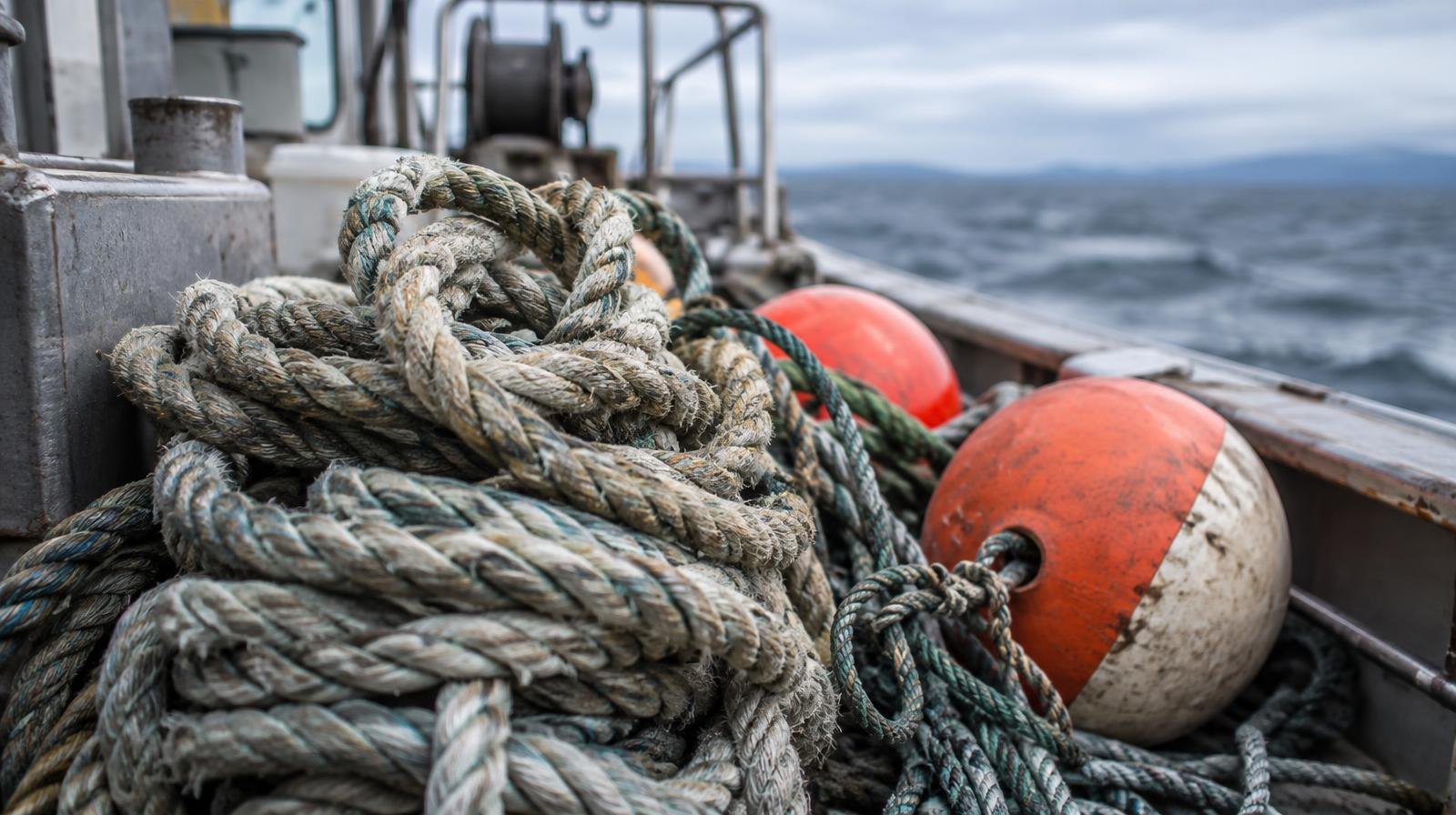
Cascadia Research Collective, headquartered at 218½ W. 4th Ave. in downtown Olympia, runs a five-person crew that cuts tangled whales free from buoy lines, gillnets and other fishing gear. The crew works from small research boats, using poles with hook knives to sever the lines. No other team in the region holds that federal authorization.
The organization's 2026 response costs have already exhausted its budget, co-director Jenn Tackaberry told the Washington State Standard, which first reported the funding crisis. A federal grant canceled in 2025 will leave Cascadia Research without that funding stream beginning in January.
"2027 is shaping up to be a tough year," Tackaberry told the Standard.
The financial strain comes as whale entanglements spike across the Pacific coast. Entanglement reports in 2025 were up more than 50% from 2024, according to the Standard's reporting. Washington was among four states where nearly 80% of reported entanglements occurred, according to a National Oceanic and Atmospheric Administration (NOAA) report. The agency confirmed 76 entangled large whales nationwide that year, nine of them in Washington.
Of those nine Washington cases, responders fully freed two whales and partially disentangled one. Four, including a killer whale, broke free on their own. One gray whale died. Responders could not reach another whale last reported still entangled.
Michael Milstein, a NOAA spokesperson, told the Standard that marine heat waves push colder water against the coast, driving anchovies and the whales that follow them into fishing territory. Many entanglement responders across the country are seeing more reports than usual in 2026, a pattern that historically tracks El Niño conditions, Tackaberry told the Standard.
Cascadia Research was incorporated in 1979 and has conducted marine mammal research for more than 45 years, funded primarily through government grants and contracts. John Calambokidis, a co-founder and senior research biologist, is among the five crew members trained to lead a disentanglement, according to OPB. Doug Sandilands is another.
The work is dangerous. Whales slap the water surface, make rumbling noises and thrash during rescue attempts. When a whale's behavior becomes unsafe, the team leaves and tries again another day, Tackaberry told the Standard.
Tackaberry said funding is needed to continue responding to entangled animals and to collect data aimed at preventing future injuries. The specific federal grant that was canceled has not been publicly identified, and Cascadia Research has not announced a fundraising target.