
Tumwater residents could see their monthly utility bills climb by nearly $19 over 2027 and 2028 under a rate proposal now before the city council.
Finance Director Troy Niemeyer presented the plan at the council's Sept. 22 meeting, as first reported by The Jolt News. The increases would add $10.02 to the average combined monthly bill in 2027 and another $8.96 in 2028. The average bill sits at $150.83 and would rise to $160.85 in 2027.
Niemeyer said capital projects, inflation, program costs and regional commitments are driving the increases. A 3 percent base increase is applied each year to cover inflation, but the proposed hikes range from 5.6 percent to 10.5 percent depending on the utility and year.
Where the money goes
Drinking water rates would jump 10.5 percent in both 2027 and 2028. Sewer rates would rise 7.25 percent in 2027 and 5.6 percent in 2028. Stormwater rates would climb 6.65 percent in 2027 and 6.6 percent in 2028.
Over the two-year period, the increases would generate $1,779,031 in drinking water fees, $606,399 in sewer fees and $655,754 in stormwater fees.
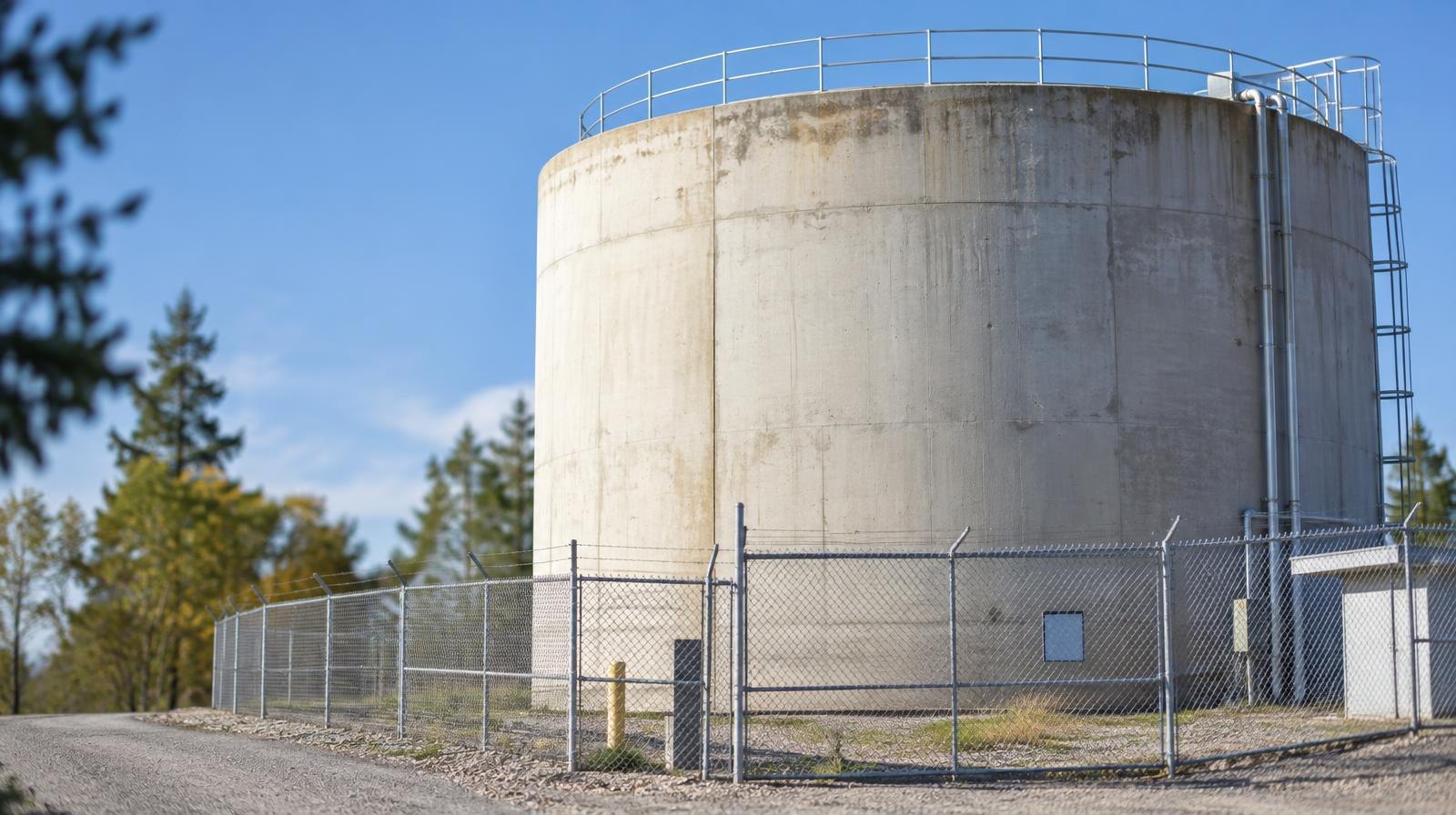
Much of that revenue would cover bond payments on two major infrastructure projects: a $30 million water storage tank on 93rd Avenue and $13 million for well development. Dan Smith, director of the Water Resources and Sustainability Department, said debt payments on those projects won't start until around 2028 or 2029. But raising rates in 2027 ensures "growth pays for growth" rather than placing the full burden on future ratepayers, he said.
Stormwater revenue would also fund an urban forestry program and Tumwater's share of the Deschutes Estuary project, a regional effort to remove the Fifth Avenue Dam in Olympia and restore 260 acres of habitat in South Puget Sound. Thurston County serves as the fiscal agent for partner contributions to that project, according to Niemeyer. Smith said fund collection could likely begin once the project gains sufficient momentum and total funding requirements are established.
How Tumwater compares
Even with the increases, Tumwater's projected 2027 average bill of $160.85 would be $21.03 less than Olympia's and $7.92 less than Lacey's, according to Smith.
Smith said the proposed rates remain within the U.S. Environmental Protection Agency (EPA) affordability threshold. The EPA considers utility costs affordable if they fall below 2.5 percent of median household income.
He acknowledged the picture looks different for lower-income households. A household earning $45,000 a year with roughly $1,000 a month in disposable income would spend about 17 percent of that amount on utilities. That exceeds a 10 percent affordability benchmark used in alternative metrics. Smith called those alternative measures "very subjective."
What's next
The rates would take effect once the council approves the 2027–28 fee resolution. The council has two more budget work sessions and public hearings ahead of a potential adoption by late November or early December.
Tumwater runs two utility assistance programs for residents who struggle with bills. The Life-Line Program offers discounted rates to low-income seniors 62 and older and residents with disabilities. The Utility Hardship Assistance Program is open to customers whose household income falls below 150 percent of the federal poverty level and who have experienced a recent hardship such as job loss or major illness.