Washington Attorney General Nick Brown filed two federal lawsuits Wednesday, Sept. 9, challenging Trump administration rules that strip habitat protections for endangered orcas, salmon and other species across the state.
Brown co-led a coalition of 21 attorneys general representing 20 states and the District of Columbia. The suits, filed in U.S. District Court for the Northern District of California, argue the new rules gut the Endangered Species Act's (ESA) primary tool for shielding the forests, streams and wetlands that listed species need to survive.
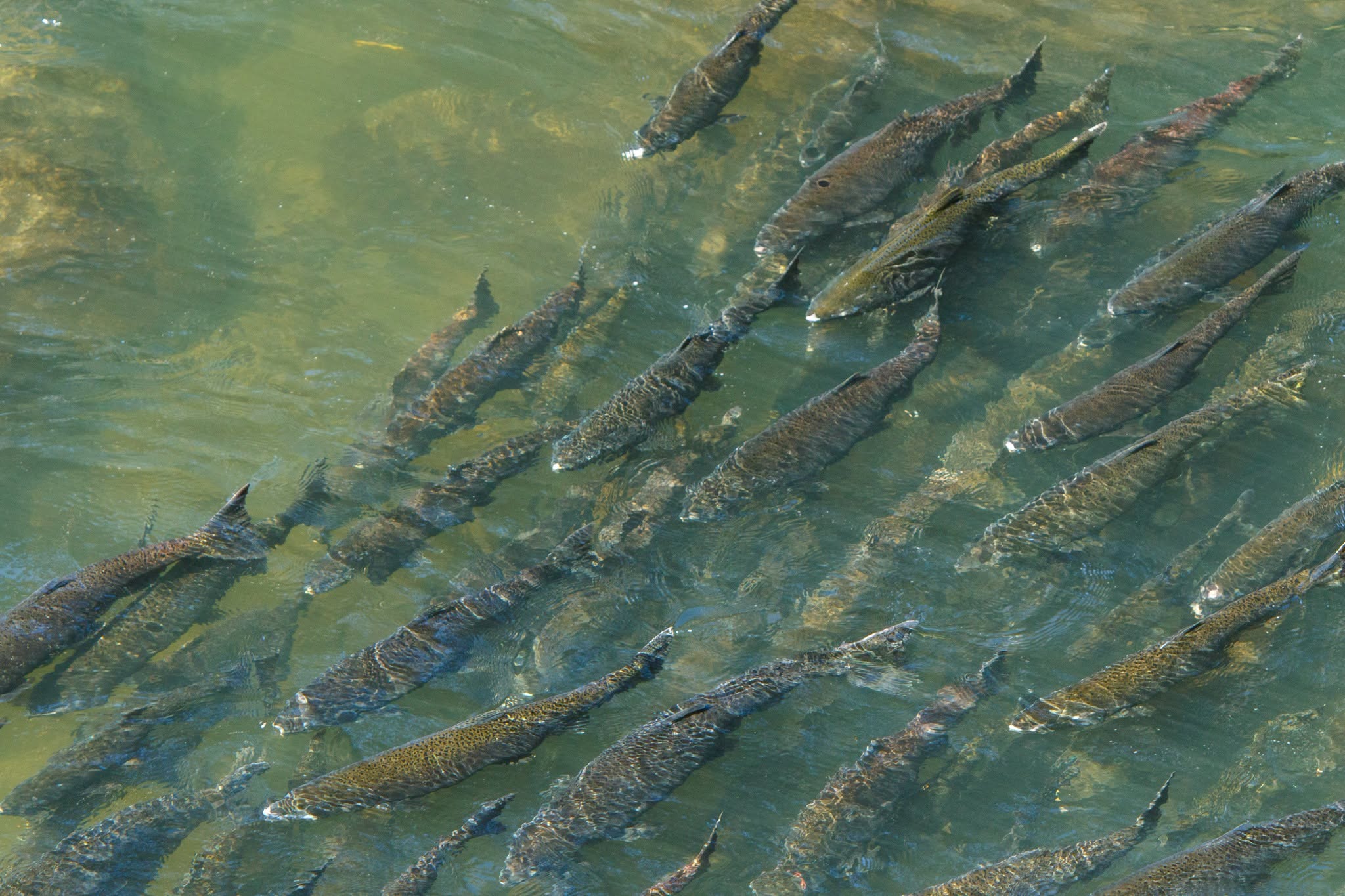
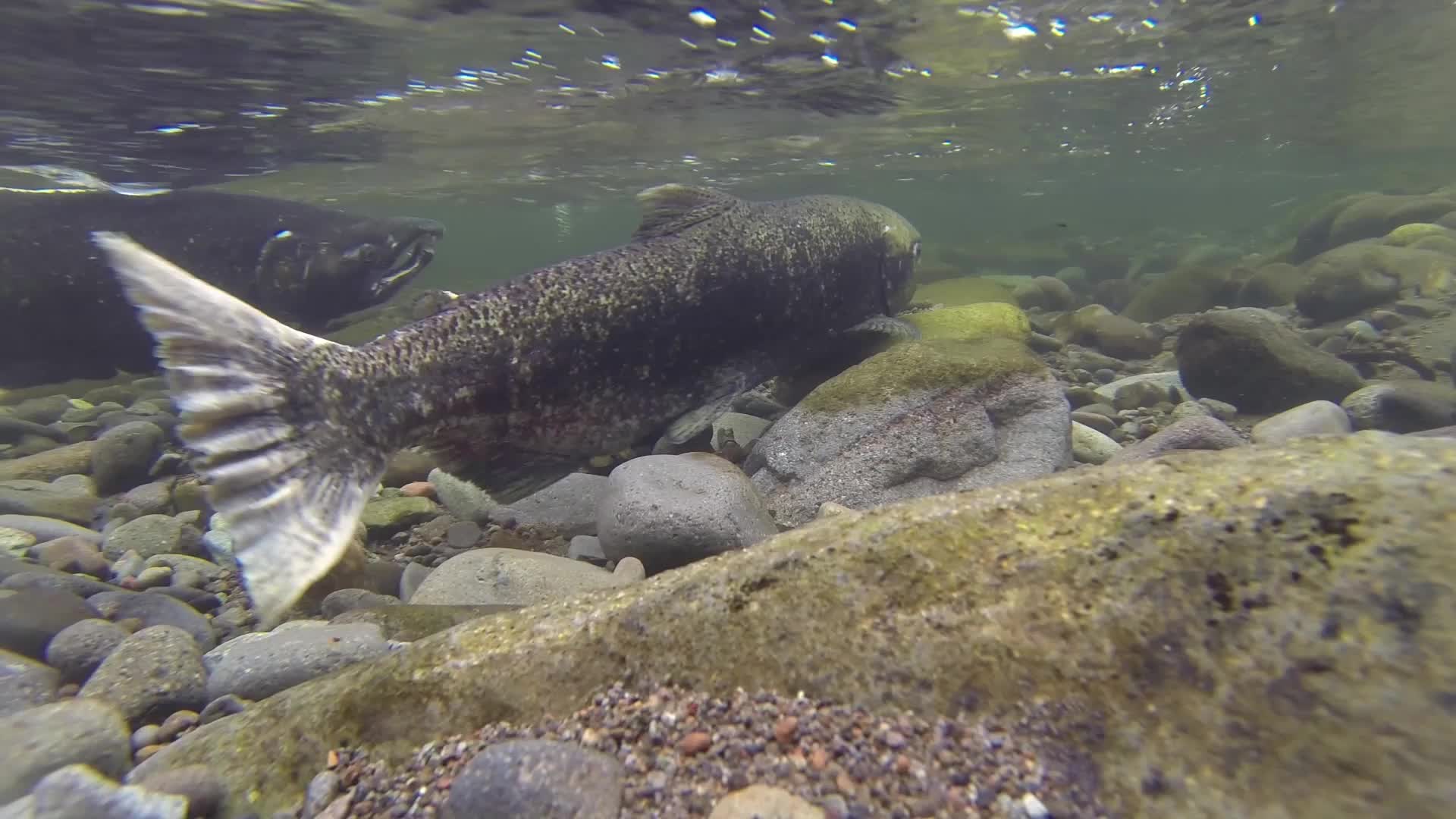
The stakes hit close to home. Washington's Southern Resident orca population has fallen from 98 whales in 1995 to 74, according to the coalition. The orcas were first listed as endangered under the ESA in 2005. Endangered salmon populations in Puget Sound face the same habitat threats.
"The federal government's attempt to gut the Endangered Species Act threatens the habitats of orcas, sockeye salmon, and other endangered species that are part of our economy, culture, and way of life," Brown said in a Sept. 9 statement, as reported by KOMO News.
What the rules change
The first lawsuit targets the administration's decision to rescind the longstanding definition of "harm" under the ESA. For decades, "harm" included significant habitat modification or degradation that kills or injures wildlife by impairing breeding, feeding or sheltering. The new rule limits "harm" to actions that directly injure or kill an animal.
The second lawsuit challenges two U.S. Fish and Wildlife Service rule changes. One rescinds automatic protections for newly listed threatened species. The other creates a new process for designating "critical habitat" that makes it easier for the agency to exclude areas, even federal lands relied on by endangered species.
The changes would clear the way for more oil drilling and mining in sensitive habitats and make it harder for officials to declare areas "critical" when developers object, KNKX reported. The coalition argues the rollbacks violate the Administrative Procedure Act and the National Environmental Policy Act.
The federal response
The Department of the Interior said in a statement that it would "vigorously defend its authority" under the new guidelines. Interior Secretary Doug Burgum has called the ESA "weaponized," saying it has been used to block projects, undermine national security and hurt Americans' pocketbooks, according to a Reuters report. Burgum said the new rules align the law with its original intent.
The rule changes followed the U.S. Supreme Court's 2024 decision overturning a 40-year-old precedent that had required courts to defer to federal agencies' interpretations of the laws they administer.
Tribal lawsuits came first
The state coalition's suits follow a separate lawsuit filed July 14 by the Swinomish and Squaxin Island tribes in U.S. District Court for Western Washington. That suit also challenged the rescission of the "harm" definition, arguing that habitat degradation is a primary driver of salmon decline in the Puget Sound region, as The Jolt reported.
The 20 states and the District of Columbia joining the lawsuits include Oregon, California, Maryland, Massachusetts, New York and 15 others. California Attorney General Rob Bonta co-led the effort, according to the Washington State Standard.
No hearing date has been set.