Five seats on the Washington State Supreme Court are on the Nov. 3 ballot.
The races are drawing more outside money than the court has seen in previous election years, according to the Washington State Standard.
Two independent political groups have raised a combined $900,000.
Four candidates have each raised more than $300,000 individually. Ballots go out in mid-October.
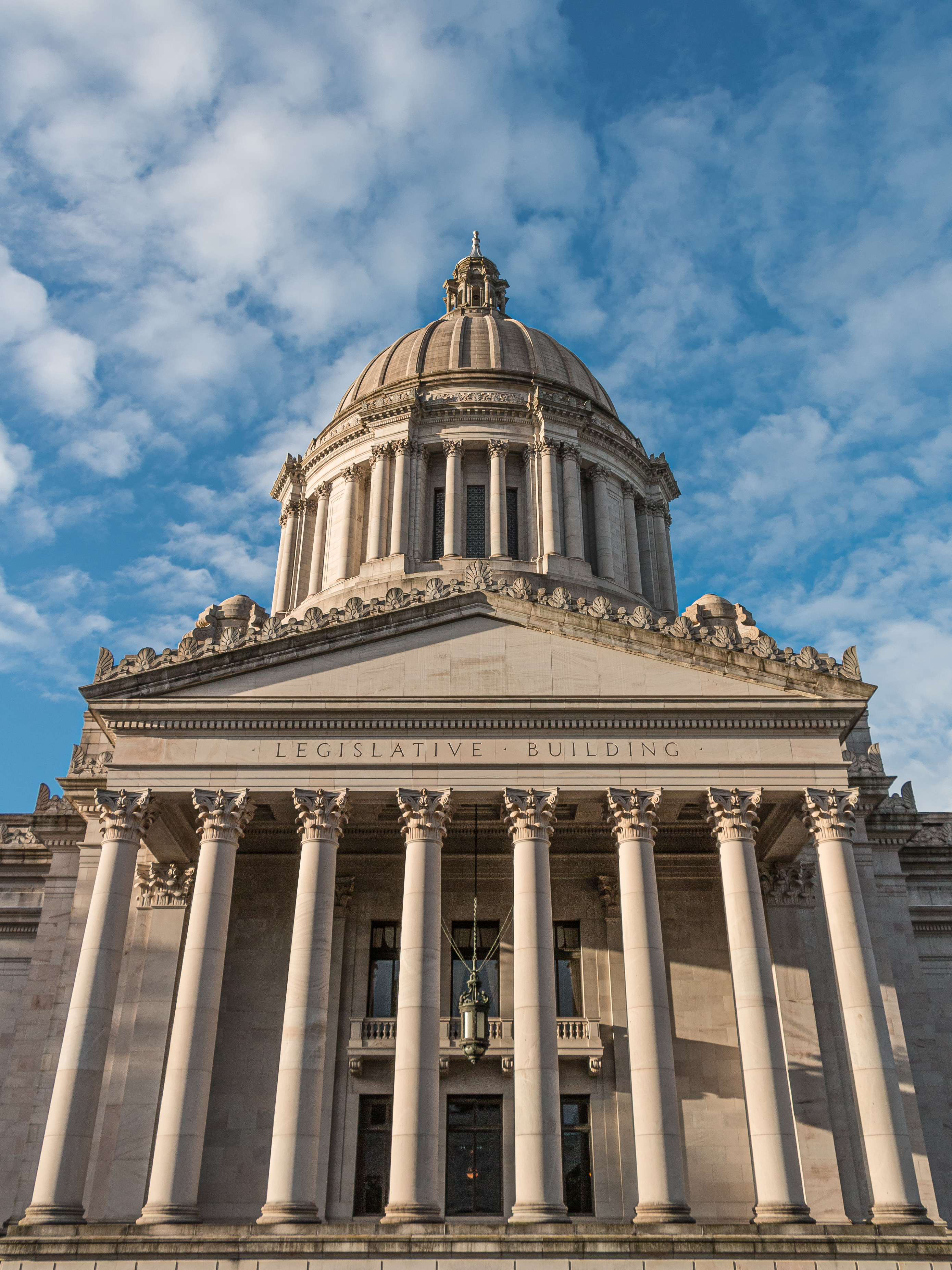
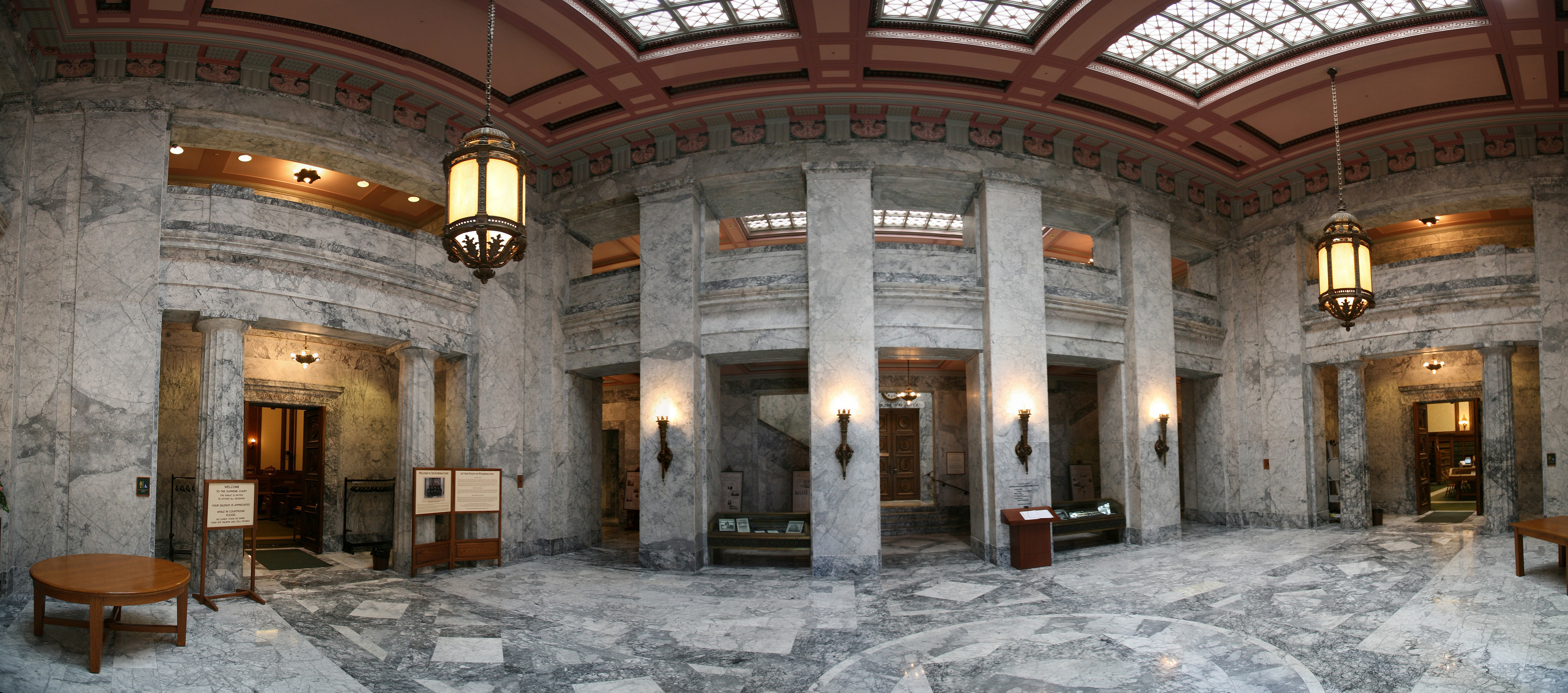
The nine-member court, which convenes at the Temple of Justice on the Capitol Campus, could hear a constitutional challenge to the state's new income tax on high earners as soon as 2027, KNKX reported.
That tax, a 9.9% levy on individual and household wage income above $1 million signed by Gov. Bob Ferguson in late March, is projected to bring in roughly $2.7 billion in its first year, according to the state Department of Revenue. Initiative 645, which would repeal the tax, will also appear on the Nov. 3 ballot.
Four of the five challengers are endorsed by the Washington State Republican Party. They face candidates favored by Democratic leaders, including two Ferguson appointees with no prior judicial experience.
The money
Concerned Taxpayers of Washington State spent about $50,000 each promoting three conservative candidates before the primary and has raised nearly $500,000 total. Its top donors include the Building Industry Association of Washington, Let's Go Washington leader Brian Heywood and Republican business owner Steve Gordon.
On the other side, Beware the Attack on Our Courts spent $16,000 opposing each of those three candidates. The group has raised more than $400,000, funded by unions including the Washington Federation of State Employees and Washington Education Association.
The five races
Birk v. O'Donnell is the most expensive contest. Appeals court Judge Ian Birk has raised $395,000; King County Superior Court Judge Sean O'Donnell has raised $334,000. Birk joined the appellate bench in 2022 after two decades in private practice. He is endorsed by Attorney General Nick Brown and former Gov. Jay Inslee. O'Donnell has served on the King County bench for more than a decade and once sat on the Supreme Court as a stand-in justice. His backers include former Gov. Christine Gregoire and former Attorney General Rob McKenna, who is leading the legal challenge against the income tax and contributed $500 to O'Donnell's campaign. The seat opened with the mandatory retirement of Justice Charles Johnson.
Melody v. Edwards. Justice Colleen Melody, appointed by Ferguson earlier in 2026, took 52.9% of the primary vote. She previously led the civil rights division of the attorney general's office. Challenger Scott Edwards, a tax law attorney endorsed by the state GOP, has raised $133,000 to Melody's $240,000. The winner finishes the final two years of retired Justice Mary Yu's term.
Hawk v. Stevens. King County Superior Court Judge Jaime Hawk, a former ACLU attorney, faces Mason County Superior Court Judge David Stevens, who is backed by the state GOP. Hawk has raised nearly $240,000; Stevens has raised $56,000. The winner replaces Justice Raquel Montoya-Lewis, the first Native American elected statewide, who announced her retirement in January 2026.
Angelis v. Larson. Justice Theo Angelis, Ferguson's second 2026 appointee, faces Dave Larson, a former Federal Way Municipal Court judge who narrowly lost a Supreme Court bid in 2024. This is the tightest fundraising race: Angelis has raised $365,000 and Larson $354,000. Angelis was one of four justices who voted Thursday, Sept. 3 to remove the income-tax repeal initiative's budget-impact statement from ballots. The court split 4-4 with one justice absent, so the statement stays.
Stephens v. Bloom. Chief Justice Debra Stephens, on the bench since 2008, is the only previously elected justice on the November ballot. She took 54.4% of the primary vote and has raised $103,000. Challenger Todd Bloom, an attorney, accountant and Navy veteran, has raised $18,000. In the Washington State Standard's voter guide, Stephens said the court's most pressing challenge is "modernizing it and ensuring equal access to justice."
Voters will begin receiving ballots in mid-October ahead of the Nov. 3 election.