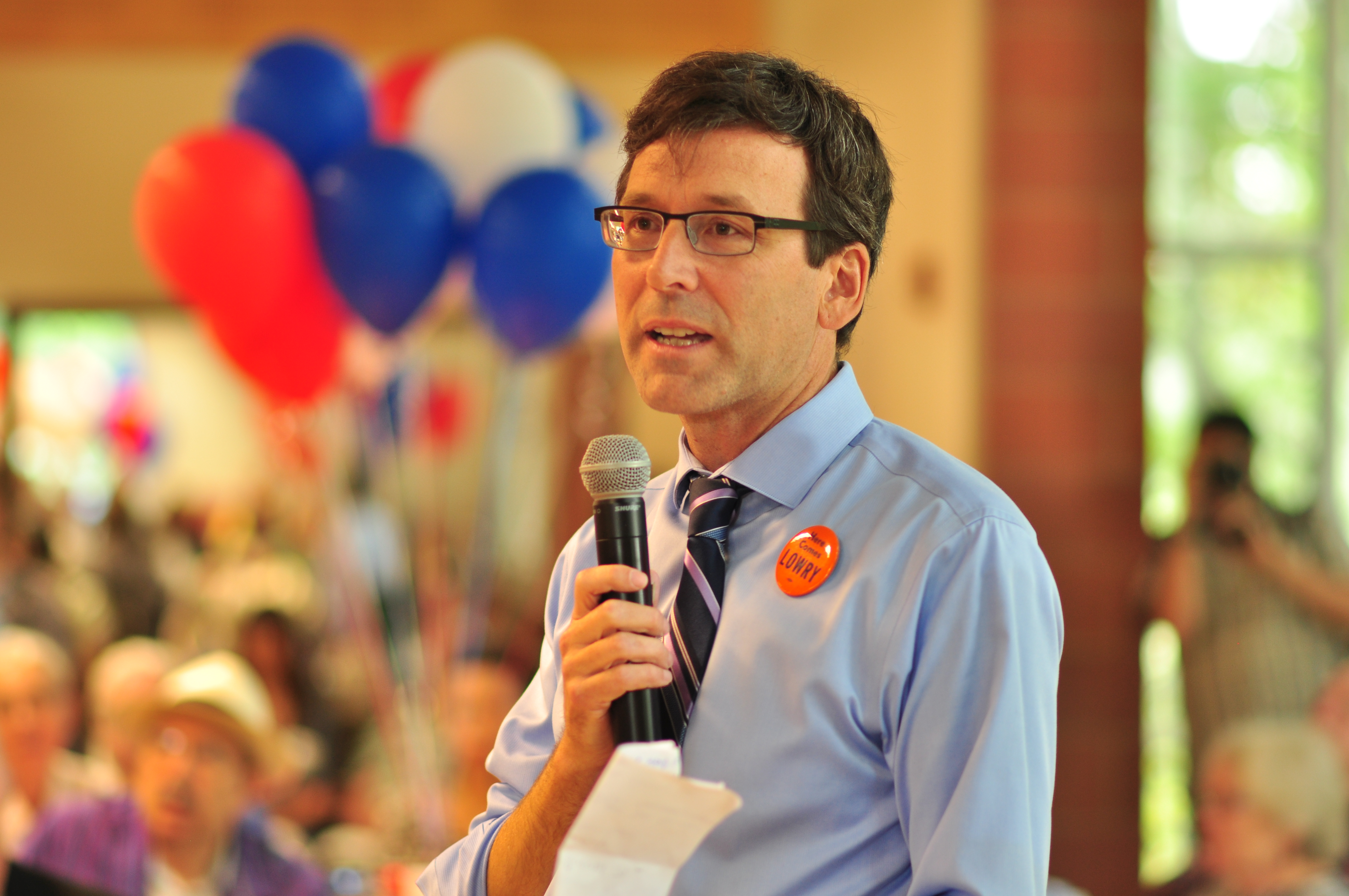
Gov. Bob Ferguson's paycheck grew by more than $15,000 on July 1, arriving as the state government that signs those checks braces for budget cuts.
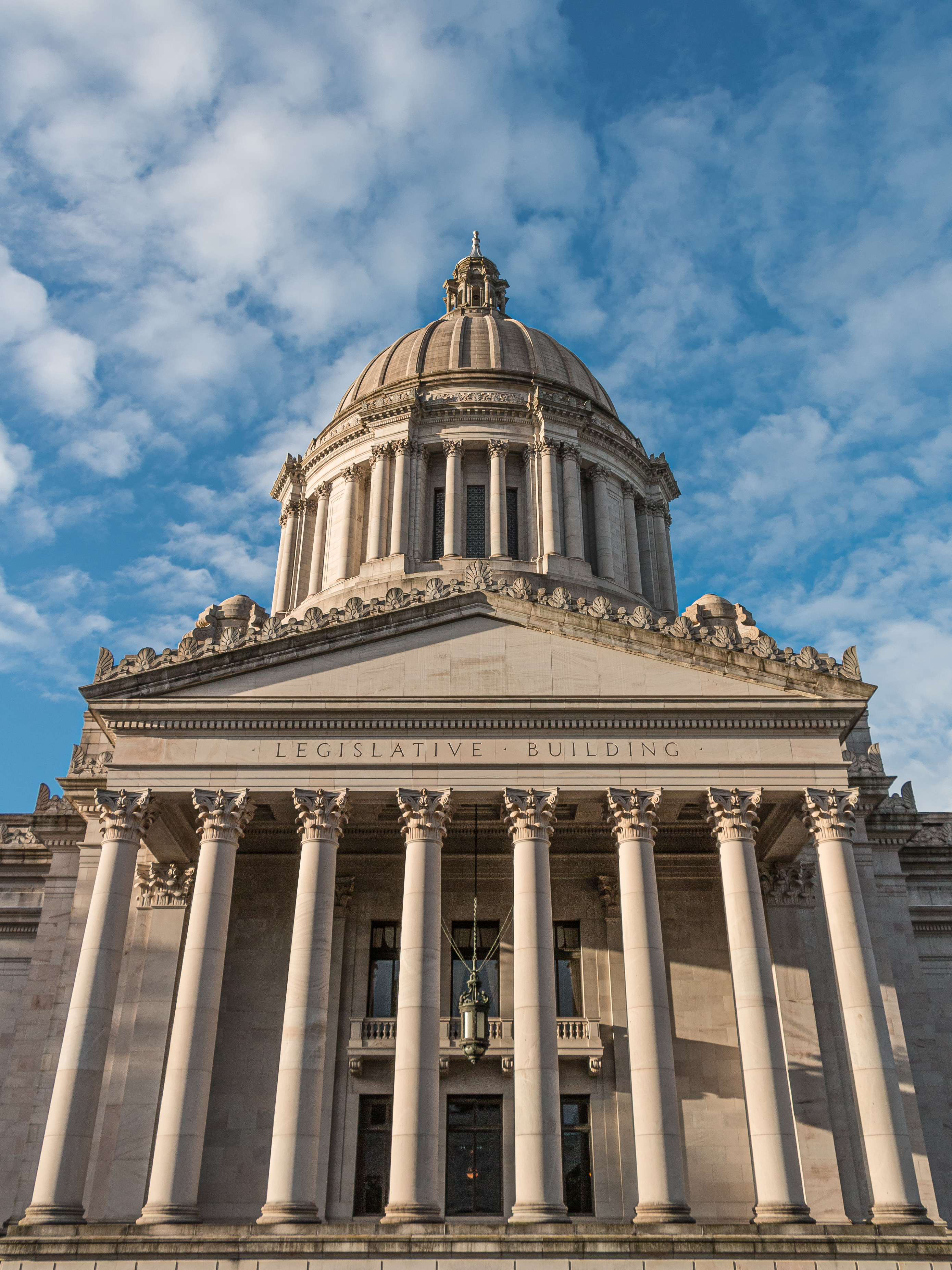
Ferguson, Attorney General Nick Brown, and all 147 state legislators received 7% pay raises effective Wednesday, the Washington State Standard reported.
The governor now earns $234,275 annually, up from roughly $204,000 when he took office in January 2025. A rank-and-file lawmaker's salary rose to $72,494.
The raises were set by the Washington Citizens' Commission on Salaries for Elected Officials, an independent panel established by voters in 1987 to remove politicians from the business of setting their own pay. The commission approved the two-year salary schedule in March 2025.
The commission gave all elected officials a 2% cost-of-living adjustment on Wednesday. Legislators received an additional 5% on top of that, for a total 7% bump. That follows a 6% increase on July 1, 2025. A lawmaker's salary has climbed roughly $10,000 in two years.
Ferguson and Brown each received 7% raises in both years. Washington's seven other statewide executives received only the 2% COLA.
A lawmaker's new salary of $72,494 now nearly matches the 2026 statewide median wage of about $73,000, according to the state's Economic Services Administration.
The raises arrived five days after a June 26, 2026, revenue forecast showed Washington expects to collect $427 million less than projected, driven by slower-than-expected job and wage growth. Ferguson told KNKX that day he would not propose new taxes to close the gap.
"There is a long way to go before we know the specifics of the budget shortfall we will be facing, including two more revenue forecasts, but we are already preparing for the challenge," Ferguson said.
His budget director, K.D. Chapman-See, warned agency leaders in early June that the state faces "a tough budget cycle next biennium." The Office of Financial Management directed all agencies to submit budget requests focused only on mandatory increases, with no program expansions.
Most state workers covered by 2025–27 collective bargaining agreements received a 2% general wage increase on Wednesday, the same COLA percentage embedded in the elected officials' schedule. Those contracts also provided a 3% raise on July 1, 2025, and raised the starting wage for state workers to $18 an hour.
About 5,300 members of the Washington Public Employees Association, working at community colleges and agencies including the Department of Revenue, missed the July 2025 raise because their contract was not funded in the state budget. They voted on a revised agreement in fall 2025, but the outcome has not been publicly reported.
The Citizens' Commission will meet in September 2026 to begin the next round of salary-setting. Final recommendations for 2027 and 2028 are expected early next year. Ferguson's budget proposal is due in December, a month before lawmakers convene in Olympia for the 2027 session.