Olympia's Bicycle and Pedestrian Advisory Committee meets today to receive its first briefing on the new 5th Avenue Bridge design and begin reviewing the city's Preliminary 2027-2032 Capital Facilities Plan.
Both items carry direct consequences for anyone who bikes or walks in the city.
The meeting begins at 6 p.m. via Zoom and includes three business items, according to the committee's posted agenda:
- Item 26-0540 (information): Briefing on the new 5th Avenue Bridge design. The agenda labels this as a presentation; the committee will receive information but is not voting on the design.
- Item 26-0539 (discussion, 7–7:30 p.m.): Briefing on the Preliminary 2027-2032 Capital Facilities Plan and a vote to approve a method of review. The committee will decide how it will formally evaluate the plan before submitting comments to the City Council.
- Item 26-0541 (discussion, 7:30–7:55 p.m.): A separate briefing on the Community Livability and Public Safety Committee's advisory body recommendation.
The bridge
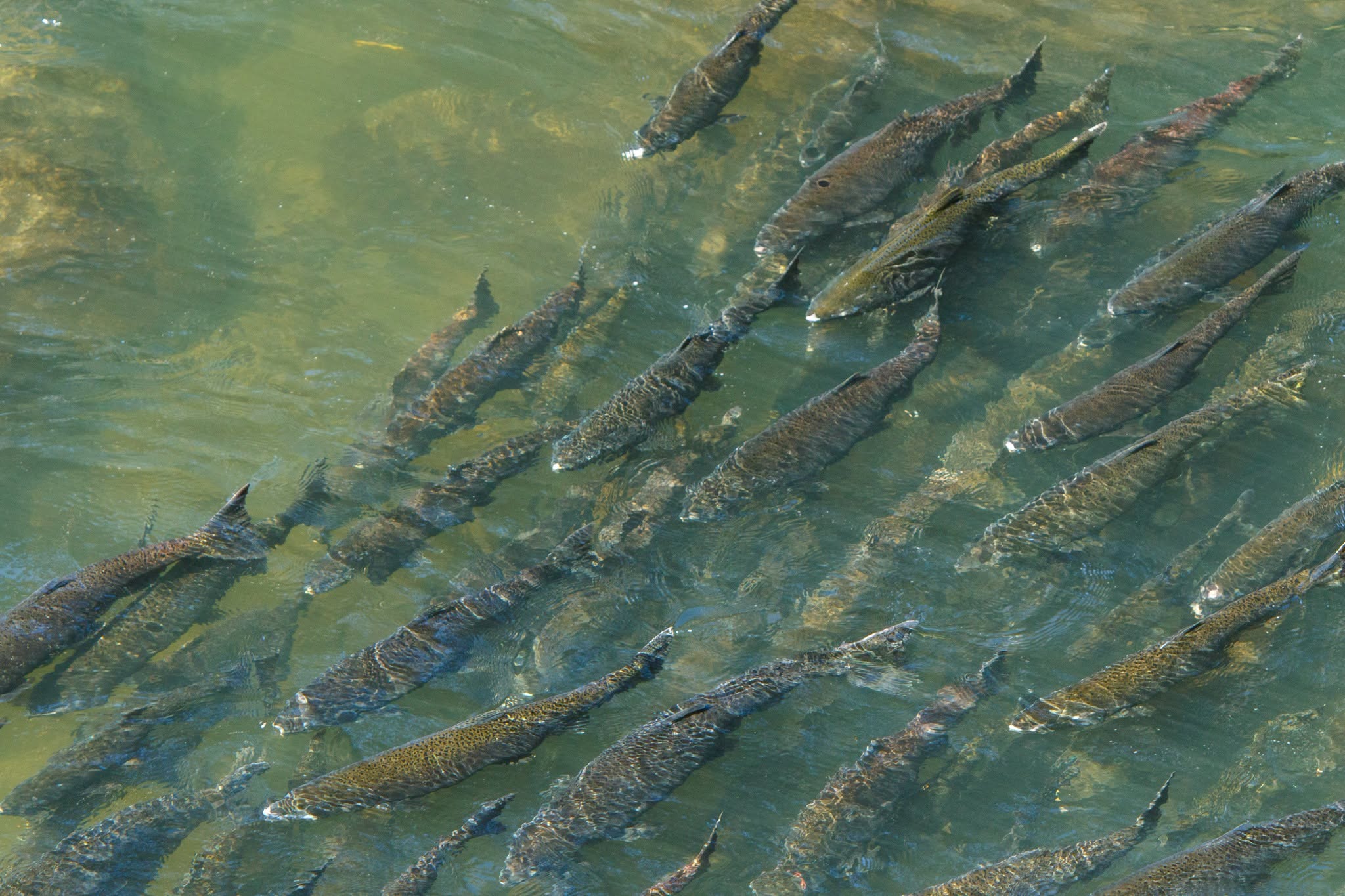
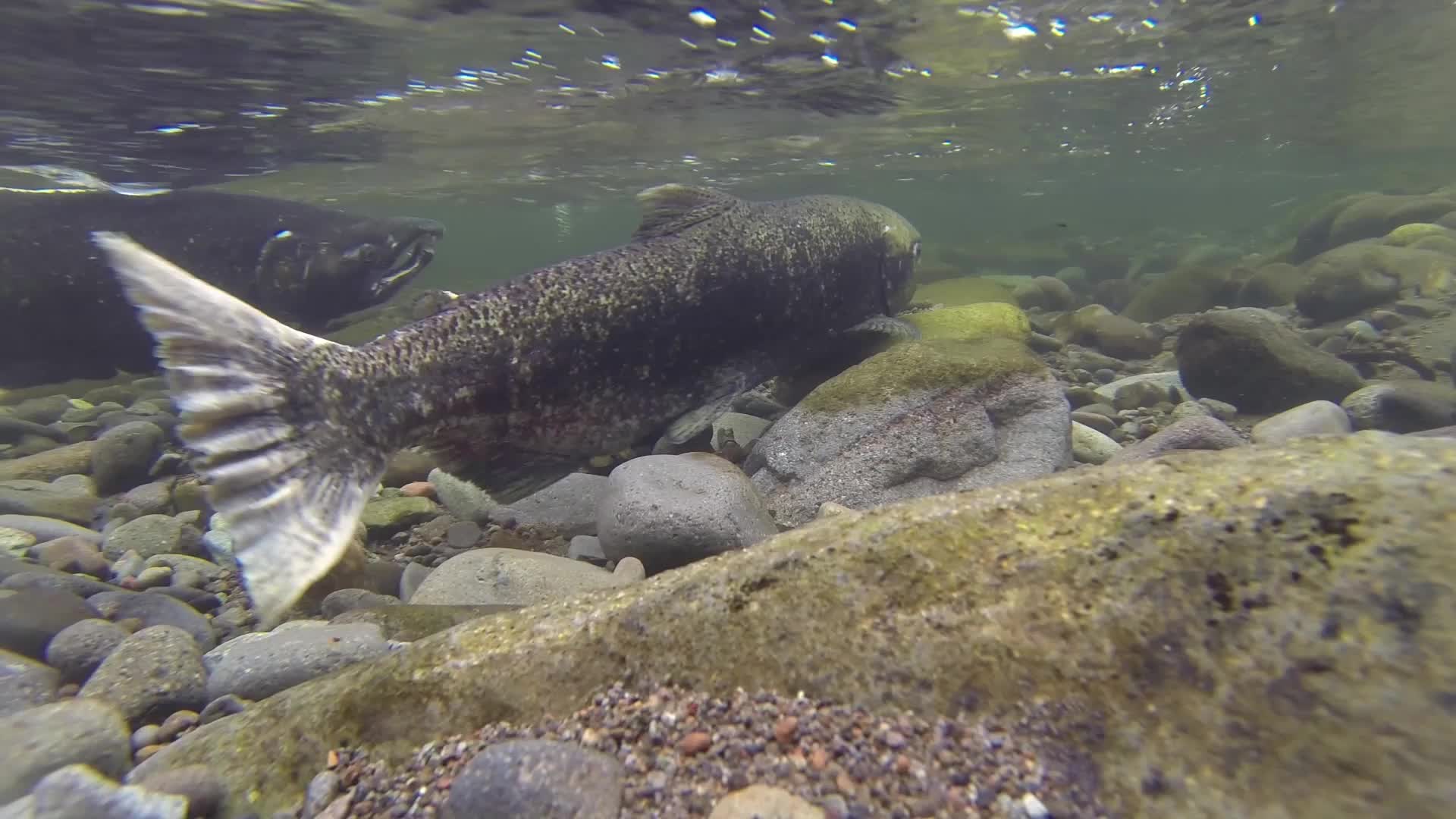
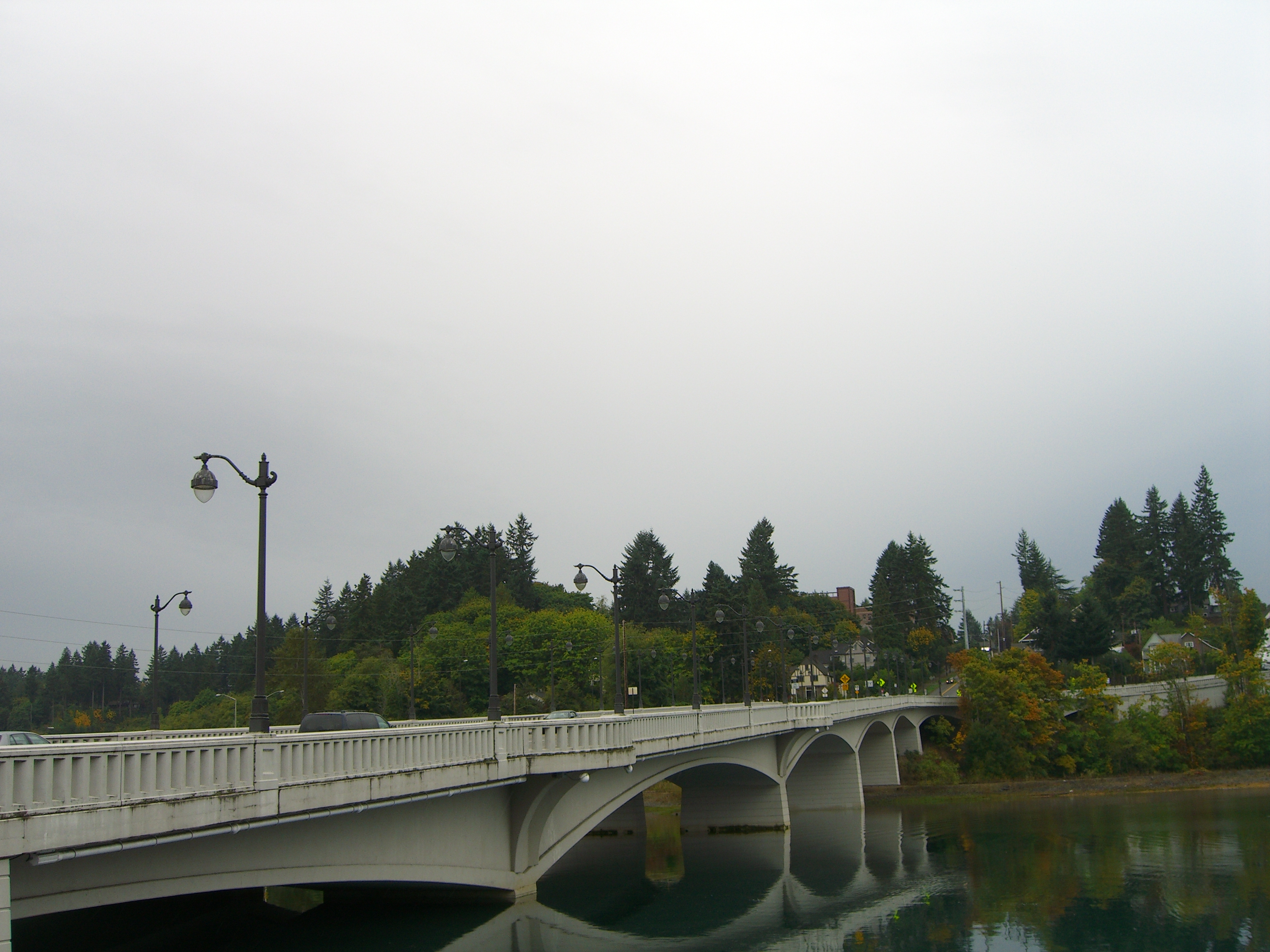
The new 5th Avenue Bridge is the centerpiece of the Deschutes Estuary Restoration Project, which will remove the existing 5th Avenue Dam and bridge to restore tidal flow between the Deschutes River and Budd Inlet.
The replacement bridge will carry vehicle, pedestrian, and bicycle traffic, according to project design firm Floyd|Snider. Specific design details have not been released publicly ahead of the briefing.
The project reached its 60% design milestone in 2025, with final design anticipated in 2026 pending funding, according to Floyd|Snider's published timeline.
The Olympian reported in January 2026 that the overall restoration project could cost $416 million, though the full scope of that estimate is unclear. Construction mobilization is targeted for 2027, also pending funding.
The capital plan
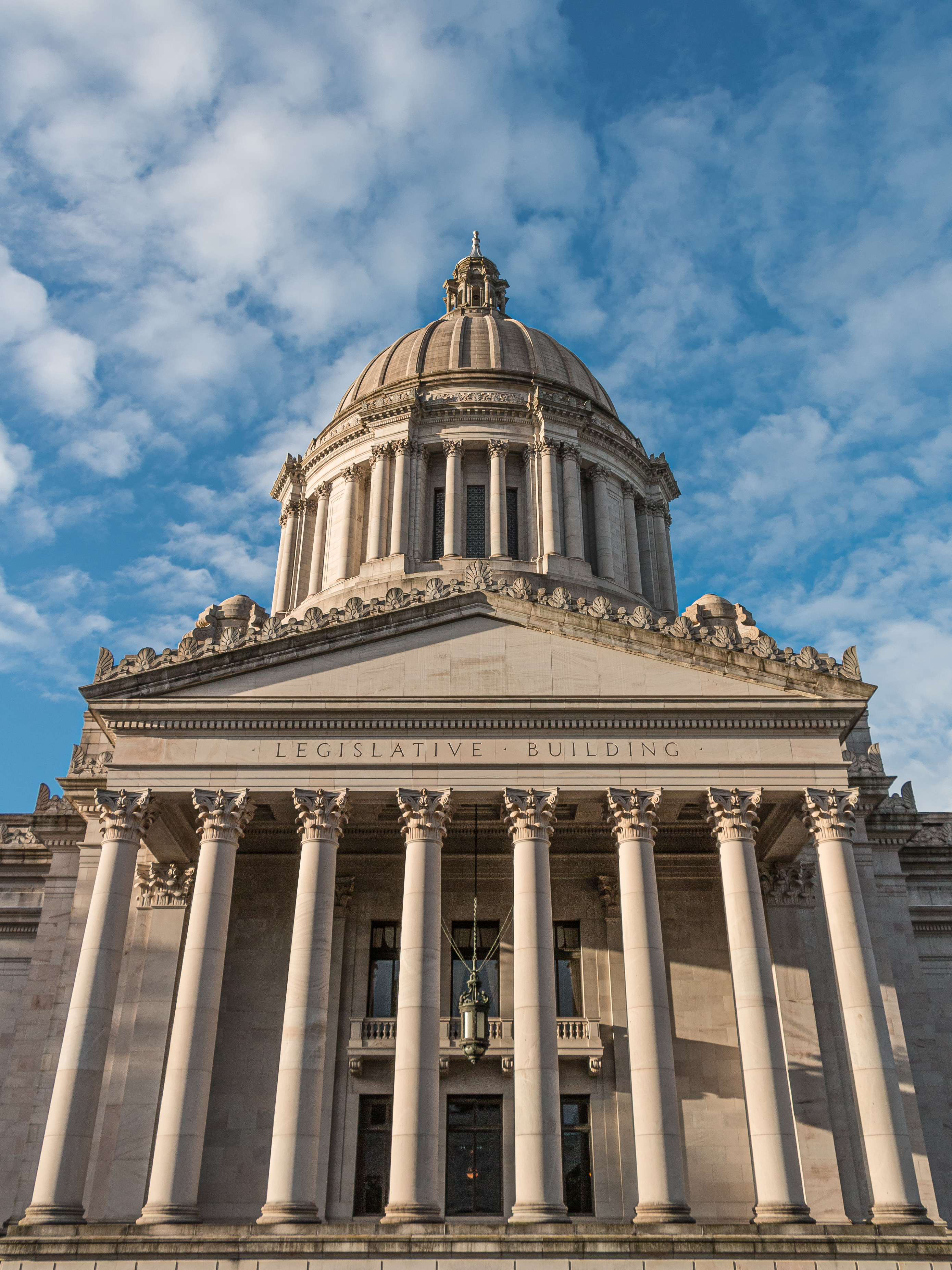
The Capital Facilities Plan is a six-year financial plan required by the state Growth Management Act. It identifies specific projects, cost estimates, and funding sources, and serves as the basis for the city's annual capital budget adopted by the City Council each December.
For context, the prior 2025-2030 CFP cycle carried a six-year total of $285 million across all capital programs, with a single-year proposed budget of nearly $50 million for 2025, according to city records.
Dollar figures for the new 2027-2032 plan have not been released.
The BPAC is one of three advisory committees that help prioritize CFP projects before the plan goes to the Planning Commission and then City Council.
The committee used a similar approach in July 2023, when it formed a subcommittee to review that year's preliminary CFP and draft a recommendation letter to Council.
How to attend or comment
The meeting is held via Zoom. Residents must register in advance at the city's Zoom webinar link. Public comment runs from 6:10 to 6:20 p.m. To speak, residents should indicate their intent during registration or email staff liaison Max DeJarnatt before noon Wednesday, July 15.
The committee is chaired by Tom Dillon, with Matt Schierholtz serving as vice chair. The next scheduled BPAC meeting is Wednesday, September 16, 2026.