The Olympia City Council will take up a new work plan on wages, scheduling, and workplace protections Tuesday — the first formal step since voters narrowly defeated a $20 minimum wage initiative eight months ago.
The council's July 14 meeting at 6 p.m. also includes a consent-calendar vote to approve $411,591 in Community Development Block Grant funding for housing repair and small-business programs in the city.
Labor policy back on the table
The agenda item, labeled "Workers' Affordability & Protections Process Update," is a staff-introduced discussion, not a vote on new rules. City staff will outline a work plan for potential future policy on wages, scheduling, and workplace safety, according to the meeting agenda.
The item follows the defeat of Proposition 1 on Nov. 4, 2025, when 52% of Olympia voters rejected a Workers' Bill of Rights that would have raised the minimum wage to $20 per hour for large employers, required 14 days' advance notice of work schedules, and mandated workplace safety plans including panic buttons.
The council itself voted 4-3 on July 22, 2025, against adopting the measure directly before sending it to the ballot.
The Thurston-Lewis-Mason Central Labor Council is urging members to attend Tuesday's meeting and testify during public comment. The labor council said it wants organized labor included in the work plan and a dedicated labor policy staff member assigned to the process.
What specific provisions the council will consider remains unclear. The agenda does not detail the scope of the work plan.
$411,591 in block grant funding
On the consent calendar, the council will vote to approve the Program Year 2026 CDBG Annual Action Plan and a substantial amendment to the city's 2023–27 Consolidated Plan.
Olympia's 2026 entitlement award from HUD totals $376,415, roughly $35,000 more than the city received in 2025, according to a city staff presentation to the Community Livability & Public Safety Committee on May 27. The remaining funds come from the city's dissolved revolving loan fund. Housing Program Senior Specialist Anastasia Everett presented the plan.
"The proposal is based on the current threats and uncertainty at the federal level and, in my opinion, best positions the city to protect its CDBG funds in future use," Everett told the committee.
The plan splits $252,231 evenly among three nonprofits: Rebuilding Together Thurston County for critical home repair, Enterprise for Equity for its microenterprise program, and South Puget Sound Habitat for Humanity for home repair and energy efficiency work. Each would receive $84,077. Another $75,000 covers city administration.
Staff recommended skipping the usual competitive proposal process and awarding directly to existing partners with strong compliance records, citing ongoing federal legal uncertainty. Olympia joined a lawsuit challenging new HUD grant conditions, and while a preliminary injunction currently protects the city's 2026 funding cycle, HUD has appealed to the Ninth Circuit.
Staff also recommended dissolving the city's revolving loan fund and rental rehabilitation program, which has completed only two projects since its creation in 2021.
What's next
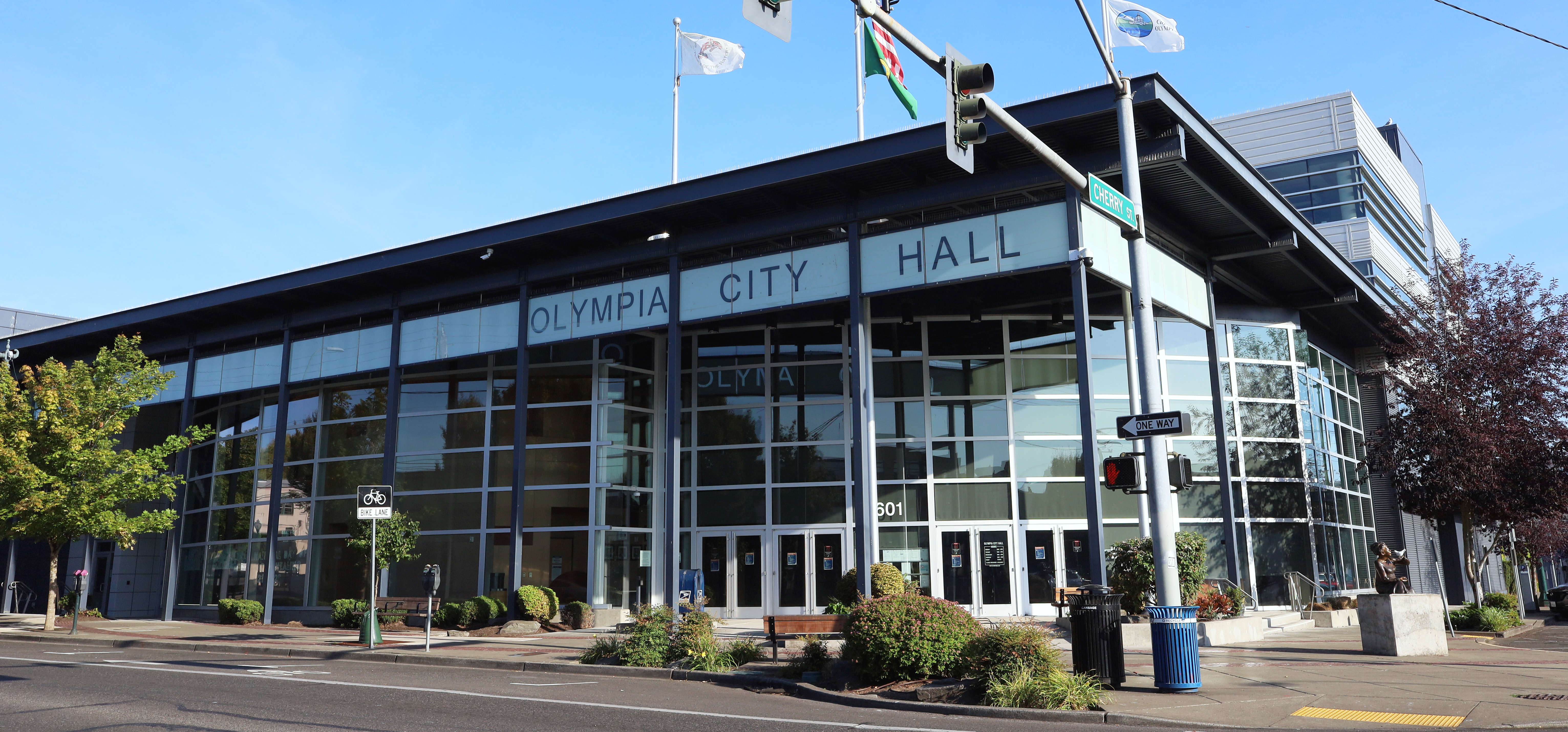
The July 14 meeting begins at 6 p.m. at Olympia City Hall, 601 4th Ave. E., and is accessible online via Microsoft Teams. The workers' protections item is a discussion only; any policy changes would require future council action.