A local essayist wants the state to turn its nearly empty transportation headquarters on Olympia's East Capitol Campus into apartments and shops.
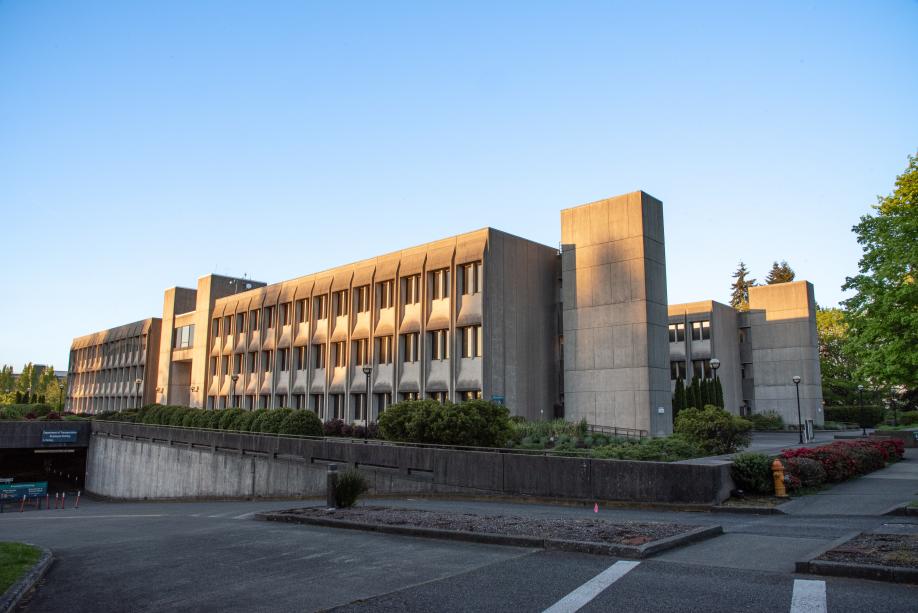
Emmett O'Connell published the proposal on Saturday, Aug. 29, in Olympia Time, arguing the structurally troubled WSDOT building is ripe for mixed-use conversion. The four-story, 183,000-square-foot building once held about 840 workers daily. Fewer than 50 now show up.
O'Connell traces the case back to the 1950s. A 1957 traffic study guided planners to expand state government eastward. Over the following decades, the state condemned more than 75 private properties across an 18-block residential neighborhood.
That area, bounded by Capitol Way, Jefferson Street, 11th Avenue and Maple Park, had included William Winlock Miller High School, duplexes, apartment buildings and convenience stores. By the mid-1960s, the city closed the neighborhood's cross streets, erasing the original grid.
Roy H. Bergh, 77, and his wife Leila, 72, resisted condemnation for 13 years, according to O'Connell's essay. In 1973, authorities evicted and jailed the couple for refusing to leave. The Natural Resources Building now sits on the spot at Franklin Street and 12th Avenue where the Berghs lived.
The WSDOT building's physical decline makes the conversion argument timely. The H-shaped structure, built between 1969 and 1970 for $8 million, has documented seismic concerns.
On Nov. 24, 2025, employees reported cracks in a lower-level office. A structural consultant found horizontal cracking in the parking garage but no buckling or column damage, The JOLT News reported.
WSDOT communications director Ryan Overton said in the Aug. 12 Washington State Standard report that the building "has experienced ongoing maintenance issues and has documented seismic safety concerns" and that the agency was reassigning most employees to other Thurston County facilities.
O'Connell argues the H-shape actually helps a housing conversion. The thin office wings and two courtyards let natural light reach nearly every interior square foot.
The perimeter wall space satisfies residential fire codes for windows and exits. Because a seismic retrofit would strip the interior to bare concrete anyway, he writes, this is the cheapest moment to install plumbing, utility meters and apartment walls.
He also points to a side benefit: commercial space on the East Campus could relieve pressure on the South Capitol neighborhood, where lobbying firms have been buying historic homes and converting them into offices that sit empty most of the year.
For a model, O'Connell looks to Sacramento. On Jan. 29, California Gov. Gavin Newsom, Sacramento State and Meta announced $50 million in catalyst funding from Meta. The money will demolish three excess state buildings on Capitol Mall and redevelop the site with student housing, a hotel and performing arts spaces.
"Sacramento shows who has to make the first move: the state, by stepping back and giving up ground it no longer needs," O'Connell wrote.
No city or state agency has responded publicly to the proposal. WSDOT said in a July 2026 report that a physical headquarters remains essential. The agency is working with the governor's office, the Department of Enterprise Services and the Office of Financial Management on a long-term plan that could place a new headquarters elsewhere.