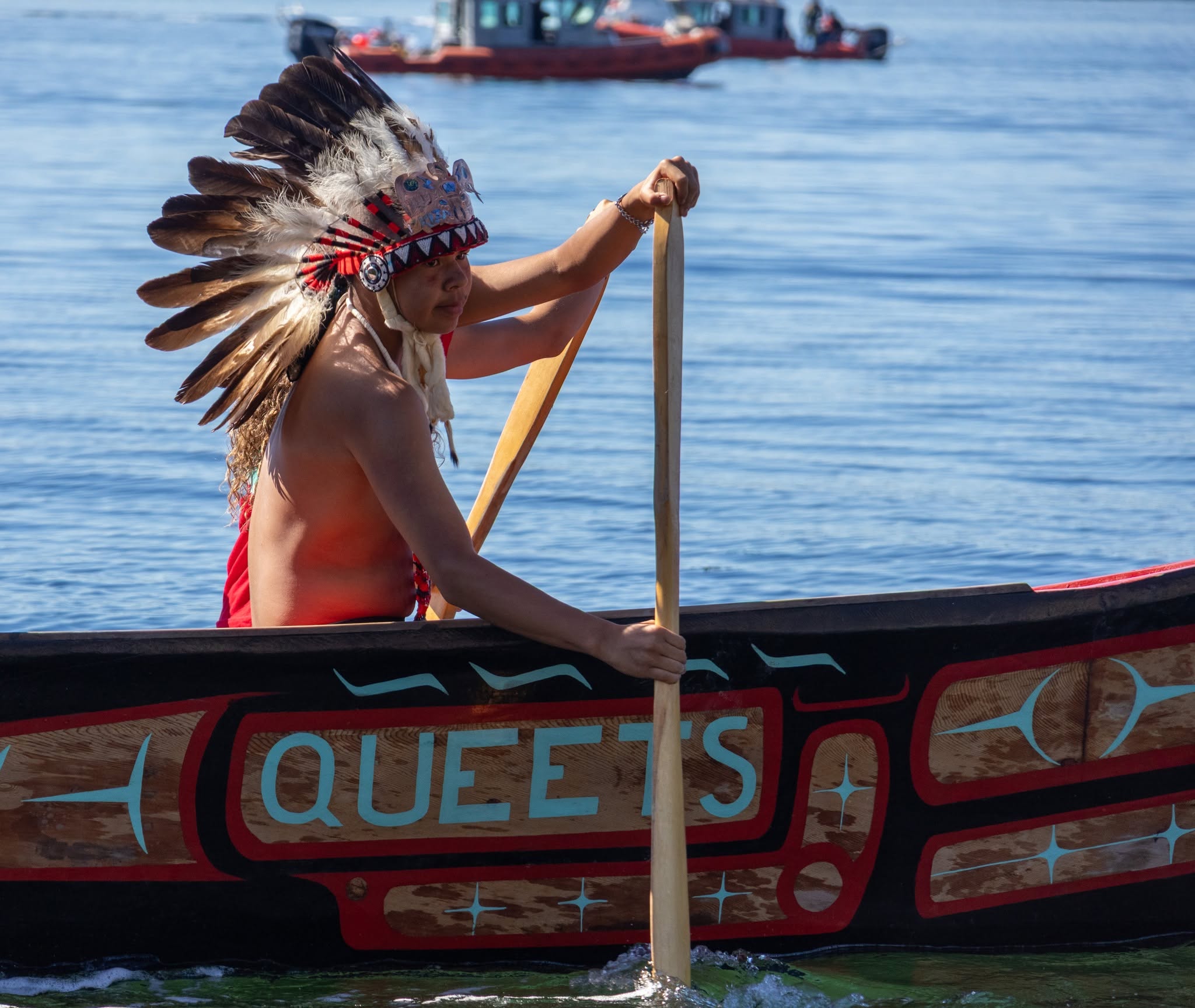
More than 100 cedar canoes paddled onto Nisqually Indian Tribe lands last week, some having traveled 22 days from as far as Alaska.
The landing kicked off the Paddle to Nisqually Medicine Creek Potlatch, a celebration of Northwest Indigenous nations that the tribe hasn't hosted since 2016.
Songs and dances continued nightly until at least 11 p.m. at the Nisqually Tribe hosting grounds, located east of the Yelm/Highway 510 roundabout and west of the Nisqually Tribe Administration Building, according to Yelm Online. Food and merchandise vendors were on site, and the tribe was selling official Paddle to Nisqually T-shirts and hoodies.
A new generation at the helm
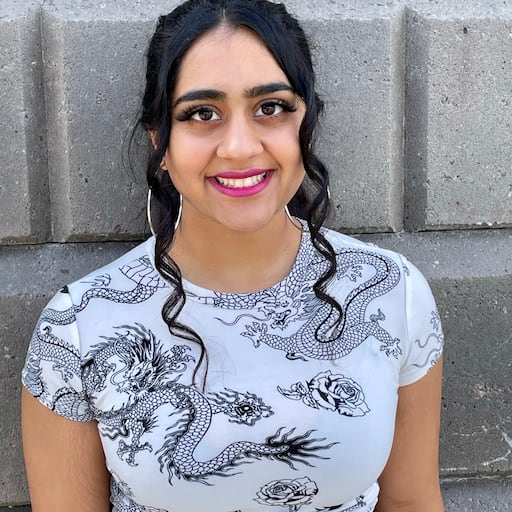
Among the paddlers this year is Aliyah Choke, a 19-year-old skipper-in-training with the Nisqually Canoe Family and a descendant of Billy Frank Jr., the Nisqually defender of tribal treaty fishing rights whose statue is being placed in both the Washington state Capitol and the U.S. Capitol's National Statuary Hall.
Choke trained under former tribal council member Hweqwidi Hanford McCloud, who also helped host the tribe's last potlatch a decade ago. In a KNKX report published Tuesday, Aug. 4, Choke said the journey "teaches a lot of our youth that we still have culture."
McCloud guided Choke and fellow paddlers in a traditional cedar canoe during practice sessions at Solo Point, near the Nisqually Reservation. The 1854 Medicine Creek Treaty, which ceded tribal land while reserving fishing and hunting rights, was signed just a few miles south near the Nisqually Delta.
The landing
Before coming ashore on July 31, each canoe family raised their paddles and asked permission to land, promising to share their gifts in exchange for food and rest. Nisqually royalty welcomed each family and acknowledged they had traveled by water in a good way before inviting them ashore.
The canoes first made a soft landing at Sunnyside Beach in Steilacoom, where Steilacoom Tribe Chair Rebecca Unzueta, Nisqually Tribe Vice Chair Cheebo Frazier and Steilacoom Mayor Elizabeth Grasher greeted them. From there, the canoes paddled to their final destination at Sequalitchew Beach in DuPont, a site where the Nisqually Tribe has gathered for thousands of years, according to research by the late tribal historian Cecilia Svinth-Carpenter.