The Department of Social and Health Services must hire dozens of temporary workers and build new computer systems before the federal deadline on New Year's Day.
Washington's 2026 supplemental budget, signed by Gov. Bob Ferguson, directs more than $43 million toward the effort. DSHS Secretary Angela Ramirez outlined the spending in a March budget update: $20 million for contractor support on the state's Automated Client Eligibility System, $14.9 million and 61 temporary positions to track work participation, and $8.4 million for a new verification hub built jointly with the Health Care Authority.
The staffing and IT funds cover compliance with both SNAP and Medicaid work requirements imposed by the federal law.
The spending responds to the One Big Beautiful Bill Act, which requires adults on Medicaid in expansion states to work, attend school, or volunteer at least 80 hours a month starting January 1, 2027.
Washington's Apple Health program covers more than 2.7 million residents across all programs, according to the Health Care Authority, though the specific number of expansion adults subject to the new mandate has not been published.
A federal rule published June 3 made the compliance task harder. The Centers for Medicare & Medicaid Services narrowed the definition of who qualifies as "medically frail" and therefore exempt from work requirements.
Under the previous standard, a qualifying diagnosis alone could exempt someone. The new two-part test requires enrollees to prove both a significant health condition and a significant impairment in their ability to work.
"It's turned it from a very straightforward protection of people with disabilities and significant health conditions into a paperwork morass, where all of a sudden they have to get their healthcare providers involved in documenting and assessing their capacity to work," said Jocelyn Guyer, senior managing director at Manatt Health, a consulting firm that advises state Medicaid agencies.
States that grant exemptions too broadly face financial penalties under the new rule. States must also reverify each enrollee's medically frail status at least every 12 months, even when a condition is unlikely to change.
Washington joined 25 other states in a federal lawsuit filed June 29 in Massachusetts (Commonwealth of Massachusetts v. Oz) challenging the rule. CMS's own projections, cited in the suit, estimate 2.3 million enrollees nationwide will lose coverage in the first year.
The agency also projects 7% of people who are working or qualify for an exemption will lose coverage because of paperwork problems.
CMS Administrator Dr. Mehmet Oz said the rule helps enrollees build skills and independence through work, education, job training, or community service.
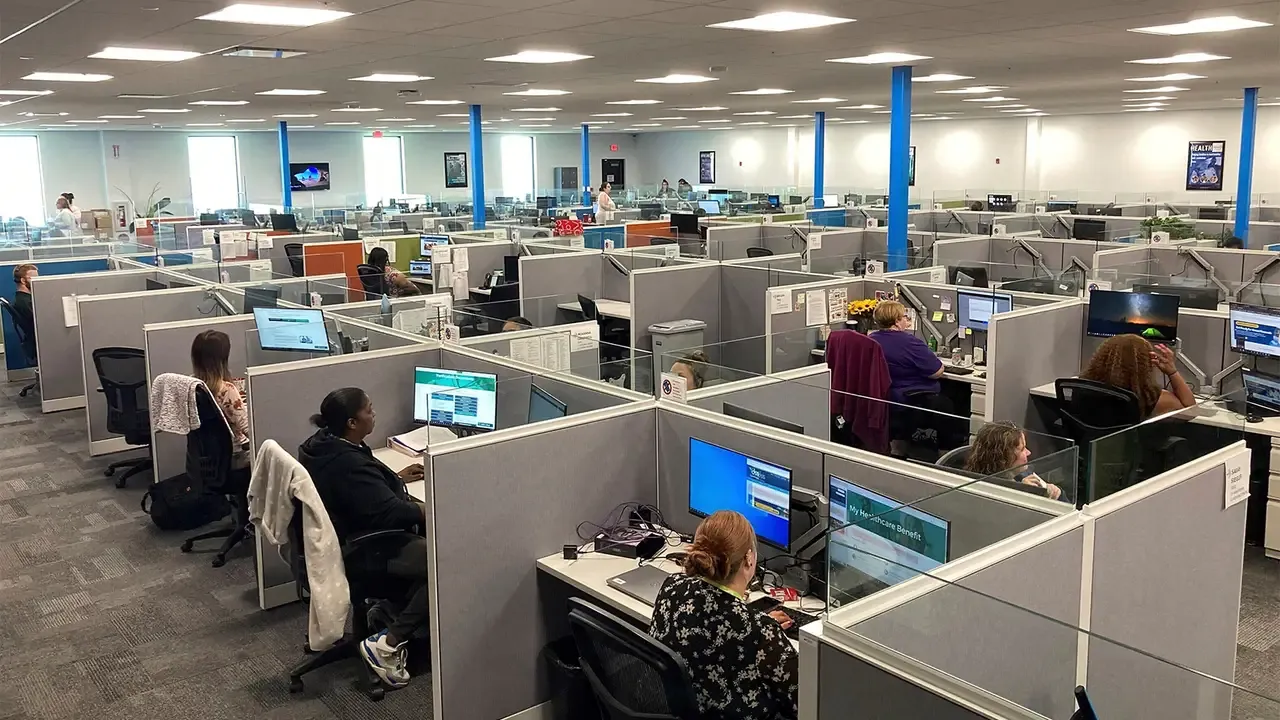
For DSHS workers who process Medicaid applications at the agency's Tumwater operations, the changes mean learning an entirely new eligibility workflow.
The state must notify all affected enrollees of the requirements by August 31. Enrollees may self-attest their medical frailty through 2027; starting January 1, 2028, states may accept that self-attestation only once per enrollment period.